Healthcare professionals are constantly balancing patient care with extensive documentation. Writing detailed notes can consume valuable time, often leading to burnout and reduced efficiency. This is where modern technology steps in to simplify processes and improve accuracy. By converting spoken words into structured documentation, clinicians can focus more on patients and less on paperwork. One standout innovation in this space is voice to medical notes, which is reshaping how healthcare documentation is created and managed.
How voice to medical notes Enhances Clinical Efficiency
The adoption of voice to medical notes technology has brought a significant shift in how healthcare providers handle documentation. Instead of typing or writing notes manually, doctors can simply speak, and the system converts their speech into accurate medical records in real time.
This approach reduces administrative burden while improving workflow speed. Physicians can complete documentation during or immediately after consultations, eliminating the need to revisit cases later. Additionally, it helps maintain better eye contact and engagement with patients, which enhances trust and communication.
Another key advantage is accuracy. Advanced systems are designed to recognize medical terminology, abbreviations, and context-specific language. This minimizes errors that often occur with manual entry or rushed typing. Over time, these systems learn user preferences, making them even more efficient and personalized.
Key Benefits of Using voice to medical notes in Healthcare
Healthcare environments demand precision, speed, and reliability. Integrating voice-driven documentation tools provides multiple benefits that support these needs:
- Improved productivity by reducing time spent on manual note-taking
- Enhanced patient interaction due to less screen focus
- Greater accuracy with specialized medical vocabulary recognition
- Faster turnaround for documentation and reporting
These advantages not only streamline operations but also contribute to better patient outcomes. When clinicians are less overwhelmed by administrative tasks, they can dedicate more attention to diagnosis and treatment.
Overcoming Challenges and Ensuring Adoption
While the benefits are clear, implementing voice-based documentation systems does come with challenges. One of the primary concerns is data privacy and security. Healthcare providers must ensure that all patient information is handled in compliance with regulations such as HIPAA.
Another challenge is adapting to new technology. Some professionals may initially find it difficult to rely on voice systems, especially if they are accustomed to traditional methods. However, with proper training and gradual integration, most users quickly become comfortable and even prefer this method.
Ambient noise and accents can also affect accuracy, but modern systems are continuously improving in these areas. Noise-cancellation features and adaptive learning models help ensure consistent performance in diverse clinical environments.
The Future of Medical Documentation
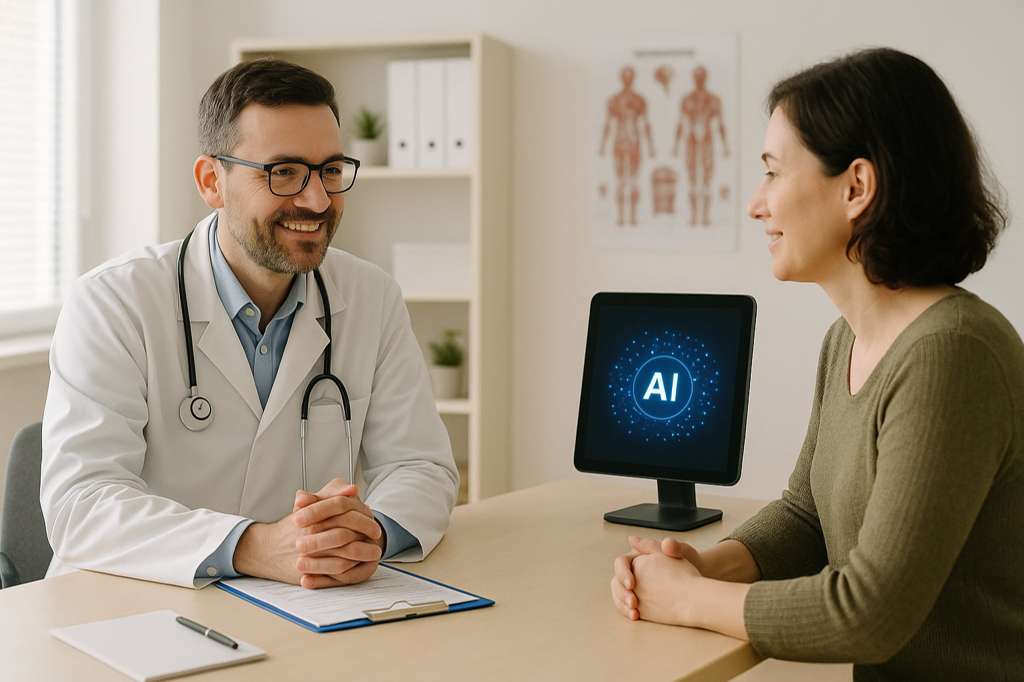
The future of healthcare documentation lies in automation and intelligent systems. As artificial intelligence continues to evolve, voice-based tools will become even more sophisticated. They will not only transcribe speech but also organize, summarize, and analyze medical data.
Imagine a system that automatically highlights critical patient information, suggests diagnoses, or flags potential risks—all while generating notes seamlessly in the background. This level of innovation will redefine efficiency and allow healthcare professionals to deliver higher-quality care.
Moreover, integration with electronic health records (EHR) systems will further streamline workflows. Data will flow effortlessly between platforms, reducing duplication and ensuring consistency across records.
Conclusion
The shift toward digital transformation in healthcare is inevitable, and voice to medical notes is at the forefront of this change. By simplifying documentation, improving accuracy, and enhancing patient interaction, this technology offers a powerful solution to one of the industry’s biggest challenges.
As adoption continues to grow, healthcare providers who embrace these tools will find themselves better equipped to handle increasing demands. Ultimately, the goal is not just efficiency but also delivering more compassionate, patient-centered care—and voice-driven documentation is a significant step in that direction.
Related Posts

Tailored Medication Management Services for Optimal Wellness
In today's fast-paced world, it's more important than ever to…

ESA Letter Online: A Modern Approach to Emotional Support Documentation
Mental health awareness has grown significantly, and emotional support animals…

Hope and Healing From the Word
Iaith is hope without which the human spirit can neither thrive…