Living comfortably means feeling confident that unwanted guests aren’t sharing your space. While occasional sightings happen, repeated activity signals a deeper issue that needs attention.
Identifying Early Warning Signs
Small noises in walls, gnawed packaging, or scattered droppings often point to rodents settling in. Acting quickly with proper rodent control prevents colonies from expanding and limits structural damage.
Tiny insects, winged swarmers, or unexplained bites also deserve investigation. Early insect control stops breeding cycles before they accelerate, saving time and frustration later.
Daily Habits That Make a Difference
Simple lifestyle changes have a powerful impact. Cleaning spills promptly, keeping pet food sealed, and reducing clutter all discourage nesting. These habits strengthen rodent control naturally by removing food and shelter.
Likewise, good ventilation and moisture management improve insect control by eliminating damp environments where pests thrive.
Smart Storage Solutions
Pantries organized with sealed containers reduce attraction for both rodents and insects. Laundry areas benefit from dry floors and proper drainage. These adjustments reinforce rodent control while supporting long-term insect control in high-risk rooms.
Entry Point Protection
Weather stripping, door sweeps, and mesh covers block common access routes. These upgrades provide lasting rodent control and reduce the number of insects entering through cracks and vents.
Balanced Treatment Approaches
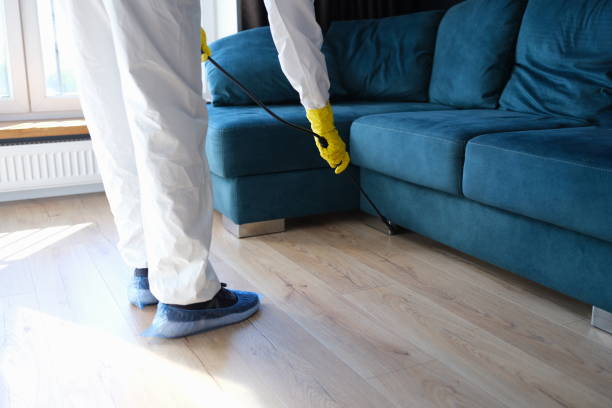
Modern pest management emphasizes precision. Instead of relying solely on chemicals, integrated strategies use traps, barriers, and targeted products. This style of rodent control focuses on sustainability and safety.
For crawling or flying pests, selective insect control techniques address problem areas directly, helping preserve indoor comfort without unnecessary exposure.
The Bigger Picture: Property Preservation
Rodents chew wiring and insulation, increasing fire risks and energy loss. Insects can weaken wood and contaminate surfaces. Reliable rodent control protects valuable structures, while consistent insect control maintains hygiene and indoor air quality.
Together, these efforts prevent expensive repairs and extend the life of household materials.
Staying Ahead of Pest Cycles
Awareness of seasonal patterns keeps infestations manageable. Cooler months often increase rodent activity indoors, while warmer periods bring spikes in insect populations. Planning ahead allows homeowners to reinforce rodent control before winter and strengthen insect control as temperatures rise.
Regular inspections ensure problems are addressed early rather than after damage becomes visible.
Conclusion
Keeping pests away requires more than a single solution. It’s a combination of mindful habits, structural care, and modern treatment methods. By maintaining dependable rodent control and practicing proactive insect control, homeowners create healthier spaces that stay comfortable year-round. With consistent effort, pest prevention becomes part of everyday living rather than an ongoing battle.