Every food business owner eventually faces a kitchen flooring decision. The options are numerous, the stakes are high, and the wrong choice can disrupt operations for weeks. Among all the materials available today, commercial kitchen epoxy flooring stands out as one of the most practical, durable, and cost-effective solutions on the market. It has been adopted by restaurants, food processing plants, hospital kitchens, and school cafeterias across the country for very good reasons. Understanding what makes epoxy the preferred choice for professionals can help you make a confident, informed decision for your own facility.
What Makes Epoxy Flooring Ideal for Food Environments
Epoxy is a thermosetting polymer that, when applied correctly, creates a seamless, non-porous surface that resists moisture, grease, chemicals, and bacteria. In a commercial kitchen, those properties are essential. Traditional flooring options like ceramic tile have grout lines that harbor bacteria and become increasingly difficult to sanitize over time. Epoxy eliminates that problem entirely.
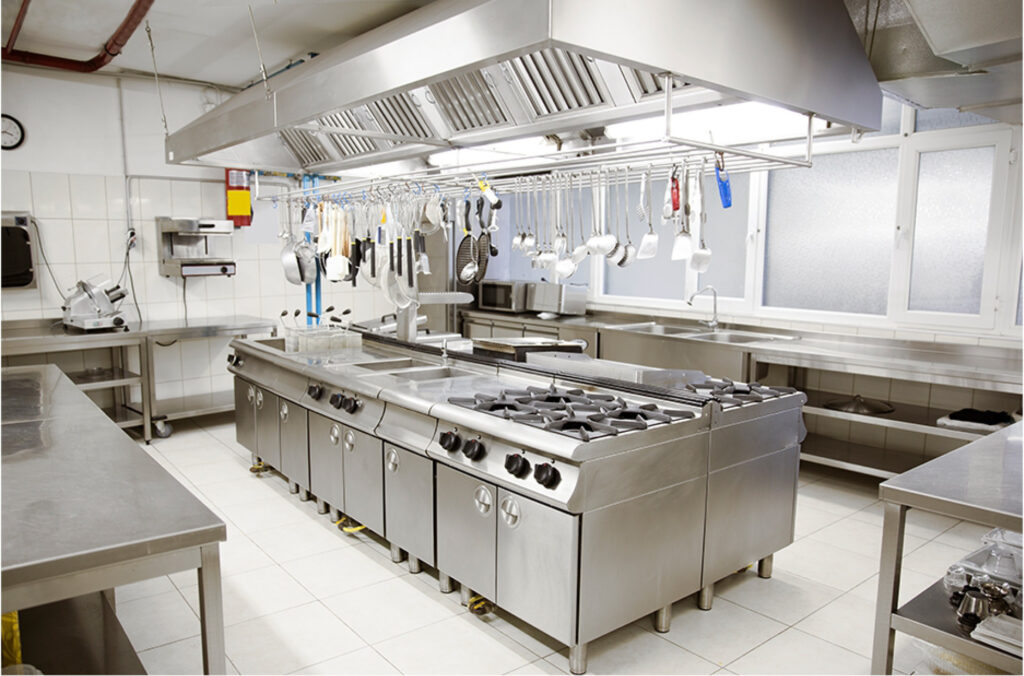
The seamless nature of an epoxy floor means there are no cracks or crevices where food particles can accumulate. Cleaning is faster and more thorough, which directly supports better hygiene practices and makes health inspections considerably less stressful. For any business handling food, that level of cleanliness is a competitive advantage.
Key Features to Look for in a Commercial Epoxy System
Not all epoxy products are the same. For commercial kitchen use, you need a system that is specifically formulated for the demands of food service environments. Here are the key features to prioritize when evaluating your options.
Thermal shock resistance is critical. Kitchen floors endure dramatic temperature changes as hot water from cleaning meets cold surfaces from refrigeration units. A quality epoxy system handles these fluctuations without cracking or delaminating. You should also look for slip-resistant aggregate finishes that provide traction even when floors are wet, which is essentially always in an active kitchen environment.
Chemical resistance is another non-negotiable feature. Cleaning agents used in commercial kitchens are far more aggressive than household products. Your epoxy coating must withstand repeated exposure to these chemicals without breaking down or staining.
Real Business Results from Epoxy Flooring Installations
Business owners who have made the switch to commercial kitchen epoxy flooring consistently report measurable improvements across several areas. Cleaning times are reduced because the seamless surface is far easier to mop and sanitize. Slip and fall incidents decrease because of the textured finish options available. And the floor itself lasts significantly longer than traditional alternatives, reducing the frequency of disruptive renovation cycles.
One bakery chain in the Northeast reported that their previous quarry tile floor required regrouting every two years and still failed health inspection twice due to bacteria in the grout lines. After switching to epoxy, they went five years without a single flooring-related compliance issue. That kind of track record speaks directly to the bottom line.
Planning Your Epoxy Flooring Project the Right Way
A successful epoxy installation requires proper surface preparation, the right product selection, and experienced application. Skipping any of those steps leads to premature failure. Before installation begins, the concrete substrate must be professionally ground and any existing coatings, oils, or contaminants must be fully removed.
Working with a contractor who specializes in commercial food service environments ensures that the project meets health code requirements and is completed efficiently. Many experienced contractors can work during off-hours to minimize disruption to kitchen operations. Planning the installation around your slowest business period is a wise strategy that reduces revenue impact.
Conclusion
For food businesses that take hygiene, safety, and operational efficiency seriously, commercial kitchen epoxy flooring delivers on every front. It is a material that earns its cost back through reduced maintenance, fewer compliance issues, and a longer service life than most alternatives. If you are ready to upgrade your kitchen infrastructure, epoxy is a decision you are unlikely to regret.
Related Posts

Joshua Salazar Boston: The Eye That Captures the City’s Heartbeat
Boston is purely rhythm, resilience, cyclic beauty, with its streets…

Embrace Sustainability with the Best Bamboo Toilet Paper and Bamboo Products
The modern consumer is more aware than ever of the…
Adspower 指纹浏览器:账号矩阵安全管理的利器
在跨境电商、海外社媒营销、广告投放等多账户运营场景中,避免账号间的“关联检测”成为关键挑战。这时,Adspower 指纹浏览器 便成为众多运营者的首选工具。它通过“模拟浏览器指纹”技术,让一台电脑安全运营多个账号环境,有效规避封号与关联风险。 什么是 Adspower 指纹浏览器? Adspower 是一款专业的防关联浏览器,专门服务于跨境电商、广告投放及社交媒体营销等多账户管理场景。它通过虚拟配置与指纹隔离技术,实现一台设备上多窗口独立运行,为各账号塑造“独立身份”,减少账号相互干扰的风险。 …